





Spring 2026 · The Re-Brand Issue · Newly Relaunched · Qualped Corp

The MillionaireMindset

Inside the habits, philosophies, and rooms of the people who built the world's great fortunes.

Cover  Jensen Huang & the uniform of power Profile  Oprah owned the tape Money  Buffett's $3 breakfast Build  Sara Blakely on failure
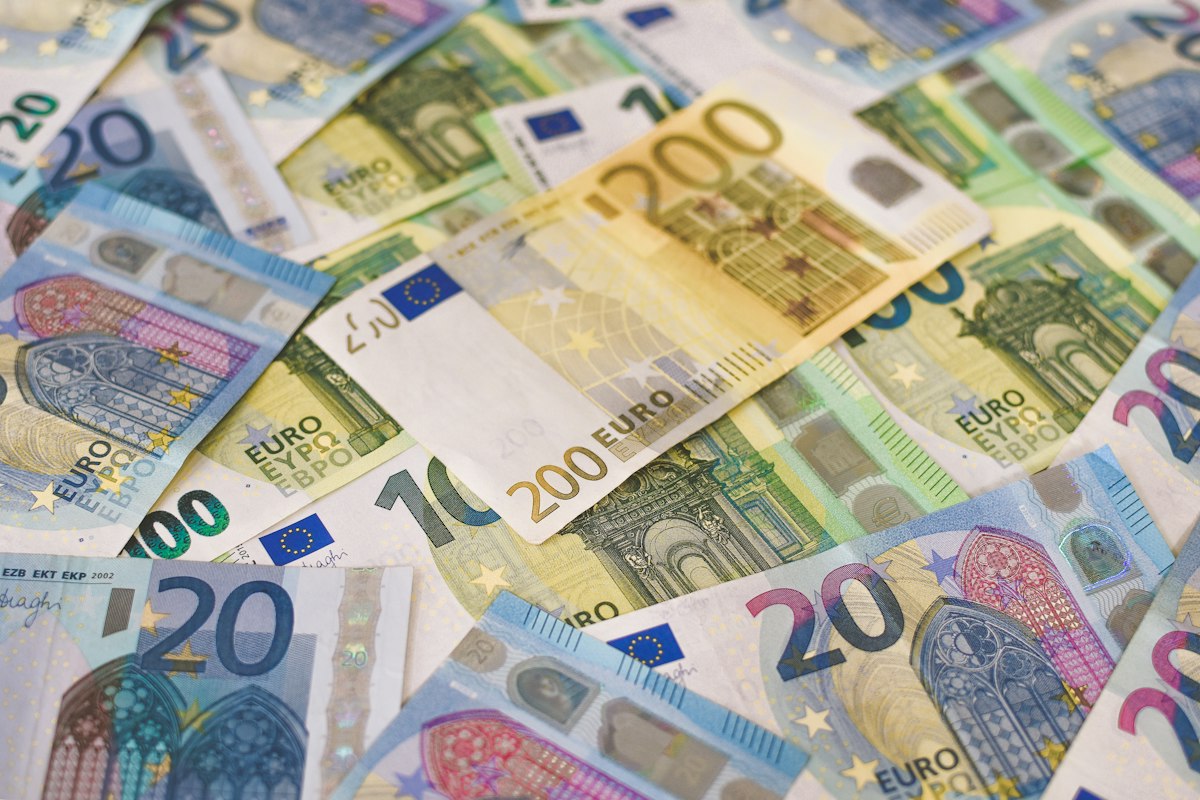
luxury Stock · Unsplash
The Cover

The Quiet Geometry of Wealth

From the Publisher

Wealth is a Story Before it is a Number

Welcome to the re-branded The Millionaire Mindset — relaunched and reimagined as a quarterly study of the people who design extraordinary lives, and the thinking that got them there.

We did not rebuild this magazine to gawk at price tags. The yachts and the watches are real, and you will find them in these pages. But the more interesting fortune is the one between the ears. The richest man we profile lives in the same modest house he bought in 1958 and eats a three-dollar breakfast. The wealthiest self-made woman in America got rich not from being on television, but from owning the tape. A woman who could not pass the bar built a billion-dollar company because her father taught her to celebrate failure at the dinner table.

Across every story a pattern repeats: these are people who think in decades, who treat ownership as oxygen, and who long ago made peace with discomfort. That is the mindset. We can each build the life we desire if we write out the plan and live the story every day. This is your invitation to do exactly that.

Shaun Michael Samaroo
Managing Editor & Publisher · Qualped Corp

Inside This Issue

Read & Engage

Eight Stories · Spring 2026

Cover Story · Technology

The Man in the Leather Jacket

He washed dishes at Denny's, founded a company at thirty, and waited three decades for the world to need what he was building. Then it needed nothing else.

Stock · Unsplash

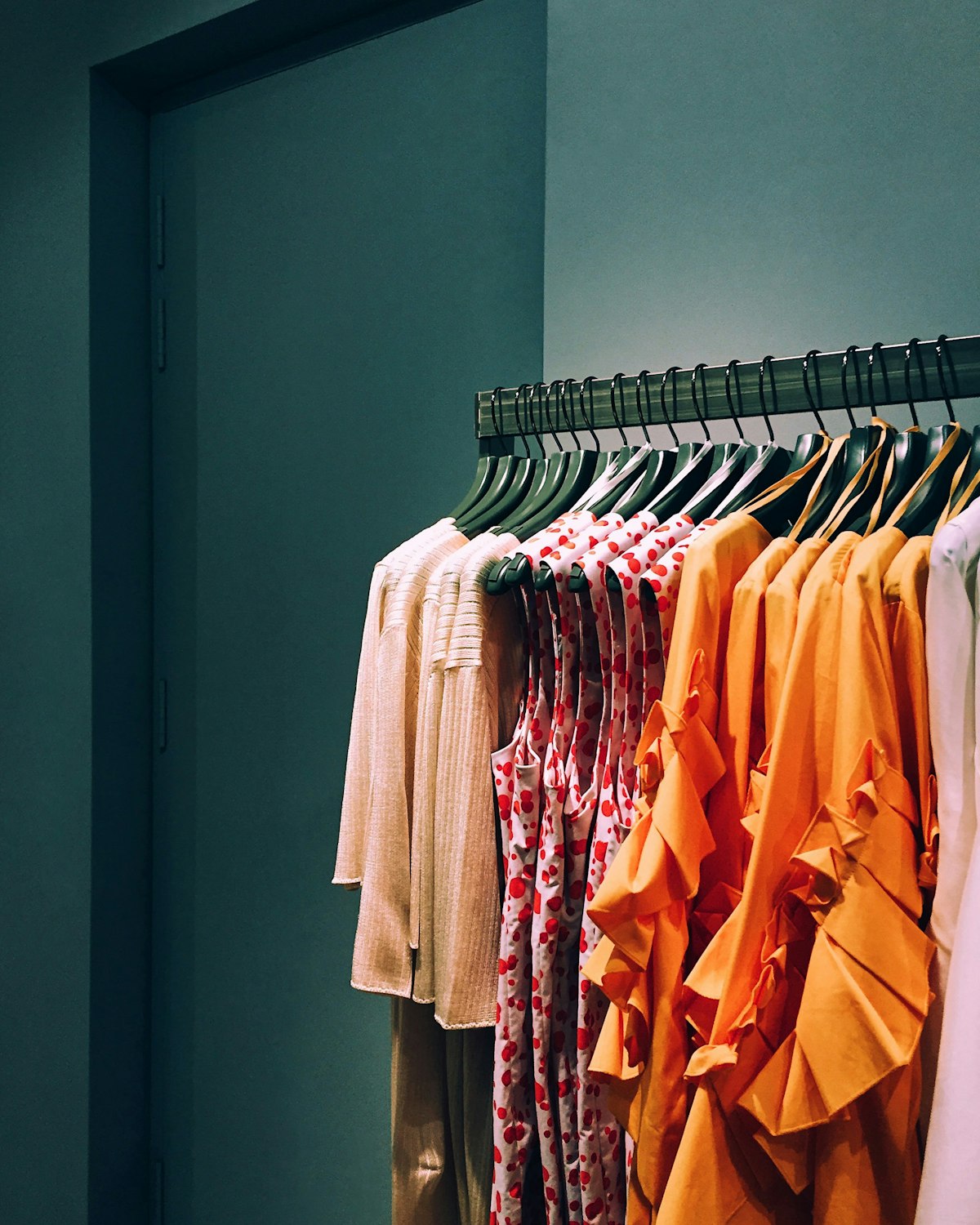
Jensen Huang owns a great deal — roughly $158 billion at last count, most of it the chipmaker he co-founded in 1993 — but he is recognized first by a single black leather jacket. He wears it to keynotes, to earnings calls, to meetings with heads of state and onto trade-show floors. It is usually Tom Ford, often costing several thousand dollars, and he has worn versions of it for more than twenty years. He does not wear a watch. He has said he prefers to live in the moment, and that his wife and daughter handle the dressing.

The jacket is the least interesting thing about him, and also the most instructive. In a world where founders signal status through ever-changing extravagance, Huang chose one uniform and never deviated. It is the wardrobe equivalent of his actual business strategy: pick a direction the rest of the industry thinks is foolish, commit completely, and refuse to be moved.

The thirty-year overnight success

Born in Tainan, Taiwan, in 1963, Huang moved to the United States as a boy and passed through Oregon and Kentucky, at one point bussing tables and washing dishes at a Denny's. He earned an engineering degree at Oregon State — where he met his future wife, Lori, as a lab partner — and a master's at Stanford. In 1993, at thirty, he co-founded Nvidia with Curtis Priem and Chris Malachowsky, with backing from Sequoia Capital.

For most of the next three decades Nvidia made graphics chips for video games. Huang's quieter bet was a software layer called CUDA, which let those chips do general-purpose math. It looked, for years, like an expensive distraction. Then the world discovered that the math underneath modern artificial intelligence ran best on exactly that hardware, and Nvidia became the foundation everything else was built on.

1993Nvidia founded · age 30
$4.5T+Peak market value
$158BEst. net worth, 2026

He thinks in ten- and twenty-year horizons, keeps more than forty direct reports, and still answers employee email himself.

Huang's management style would fail a business-school exam. He keeps an unusually flat organization, delivers marathon technical keynotes from memory, and maintains a near-pathological emphasis on long-term innovation over short-term profit. None of it is conventional. All of it works because it is downstream of a single trait: he is willing to be uncomfortable, and to make his company uncomfortable, for as long as the vision requires.

Where the money goes

For all the wealth, the splurges are modest by billionaire standards. The Huangs established a family foundation in 2007 and have given tens of millions to education — including $50 million to Oregon State, $30 million to Stanford, and $22.5 million to the California College of the Arts. His wife Lori has stayed almost entirely out of public life. Their relationship, like the company, predates the fortune by decades.

The Mindset Takeaway

Conviction compounds slower than money, then faster.

Huang's lesson is patience under doubt. The market rewarded him only after thirty years of building toward a future no one else could see yet. Pick the long game, wear the same jacket, and let time do the heavy lifting.

Profile · Media

She Owned the Tape

The world remembers the interviews. The fortune came from a 1988 decision that almost no one talks about.

Stock · Unsplash

Oprah Winfrey was born in 1954 in Kosciusko, Mississippi, to an unwed teenage mother, and raised for her earliest years by her grandmother on a three-acre pig farm with no indoor plumbing. She has spoken of wearing dresses made from potato sacks. She could read by the age of three and recited scripture so fluently that the congregation nicknamed her "The Preacher." It was, by any measure, the least likely starting point for the wealthiest self-made woman in America.

Her early life moved between a struggling mother in Milwaukee and a strict, education-obsessed father in Nashville. The discipline of the second household, by her own account, gave her the structure the first could not. At seventeen she won a local pageant that led to a job at a Black radio station; soon she became the youngest and first Black female news anchor at a Nashville television station.

The decision behind the empire

"The Oprah Winfrey Show" ran for twenty-five seasons, from 1986 to 2011, and made her famous. But fame is not wealth. The pivotal move came in 1988, when she took ownership of her own program through her production company, Harpo. She stopped being talent that networks rented and became the owner of the asset. Everything afterward — the network, the magazine, the Apple deal, the real estate — flows from that single shift from salary to equity.

She did not get rich interviewing celebrities. She got rich owning the tape.

1988Took ownership of her show
2003First Black woman billionaire
$3.2BEst. net worth, 2026

By 2003 she was the first Black woman billionaire in the world. As of 2026 her fortune is estimated at $3.2 billion, making her the wealthiest self-made woman in America and the wealthiest Black American in history. Her giving has matched her earning: Oprah's Angel Network raised more than $80 million, she founded a leadership academy for girls in South Africa, and she is a signatory of the Giving Pledge.

The Mindset Takeaway

Own the asset, not the applause.

The cultural memory is the talk show. The wealth engine was ownership. When you create value, fight to own the thing you create — equity outlives any paycheck.

Build · Entrepreneurship

"What Did You Fail At Today?"

Sara Blakely turned $5,000 and a pair of scissors into a global brand — armed with a childhood question that rewired her relationship with fear.

Stock · Unsplash

Every evening at the dinner table, Sara Blakely's father asked his children the same question: what did you fail at today? An empty answer disappointed him. A spectacular failure earned a high-five. The lesson, repeated for years, redefined the word entirely — in the Blakely household failure did not mean a bad outcome; it meant not trying. By the time she was an adult, the fear that paralyzes most aspiring founders had simply been trained out of her.

She needed it. Born in Clearwater, Florida, in 1971, Blakely wanted to be a lawyer like her father but could not score high enough on the LSAT. She ended up selling fax machines door-to-door — a job that is essentially a full-time education in rejection. The idea for Spanx came from a personal frustration: she wanted a smoothing undergarment that did not exist, so she cut the feet off a pair of pantyhose and decided to build the real thing.

The two-year no

In 2000, at twenty-seven, she invested her $5,000 in life savings and started the company. Manufacturers turned her away for two years. Lacking money for a patent attorney, she wrote the initial patent application herself. The persistence is inseparable from the upbringing — she had been rehearsing for exactly this kind of sustained rejection since childhood.

$5,000Starting capital
65+Countries Spanx sells in
2012Youngest self-made woman billionaire

Spanx earned roughly $4 million in its first year and $11 million in its second. In 2012, at forty-one, Forbes named Blakely the youngest self-made female billionaire in the world. A year later she became the first female billionaire to join the Giving Pledge, and her foundation now supports women in education and entrepreneurship.

Failure isn't the bad outcome. Failure is the day you didn't try anything new.

The Mindset Takeaway

Reframe failure and you remove the brake.

Most people never start because the cost of failing feels unbearable. Blakely was taught to seek failure as proof of effort. Redefine the word, and you unlock the willingness to begin — the rarest fuel of all.

Money · Investing

The Billionaire Who Eats Breakfast at McDonald's

He could buy almost anything. He chooses a 1958 house, a $3 breakfast, and a Cadillac he keeps until his daughter says it's embarrassing.

Stock · Unsplash

Warren Buffett has built one of the largest fortunes in history, yet he still lives in the gray stucco house in Omaha he bought in 1958 for $31,500. In a Berkshire Hathaway shareholder letter he once called it the third-best investment he ever made. He drives a modest Cadillac, replacing it only when his daughter Susie tells him it has become embarrassing, and he buys breakfast at McDonald's for a little over three dollars. He has said plainly that he does not enjoy a hundred-dollar meal any more than a hamburger.

This is not poverty cosplay. It is the visible surface of the single idea that built the entire fortune: opportunity cost. To Buffett, a dollar is never just a dollar. It is the far larger sum that dollar would become after decades of compounding. A modest haircut is not an $18 expense; it is everything those dollars would have grown into over thirty years. Once you see money that way, lavish spending stops feeling like luxury and starts feeling like a math error.

1958Year he bought his house
$31,500Price he paid · still lives there
$3.17His McDonald's breakfast

If you buy things you do not need, soon you will have to sell things you need.

Frugality as freedom

The habits cascade. He plays bridge for hours a week, collects ukuleles, and treats his grandchildren not to five-star steakhouses but to the Berkshire-owned Dairy Queen. When he married Astrid Menks in 2006, the ceremony lasted fifteen minutes and was followed by dinner at a casual seafood restaurant. The pattern is consistency, not deprivation: avoid lifestyle inflation, standardize small decisions, keep recurring costs low, and point every freed dollar at something that compounds.

Now in his nineties, having handed day-to-day leadership of Berkshire Hathaway to his chosen successor, Buffett's enduring lesson has nothing to do with stock picking. It is that wealth is mostly the gap between what you earn and what you spend — widened patiently, for a very long time.

The Mindset Takeaway

Spend like every dollar is a seed.

Buffett values a dollar by what it becomes, not what it buys today. Treat spending as foregone compounding, automate the boring decisions, and let the gap between income and outflow do the work.

Lifestyle · Luxury

The Art of Living Rich

Field Guide · Stock Imagery & Video

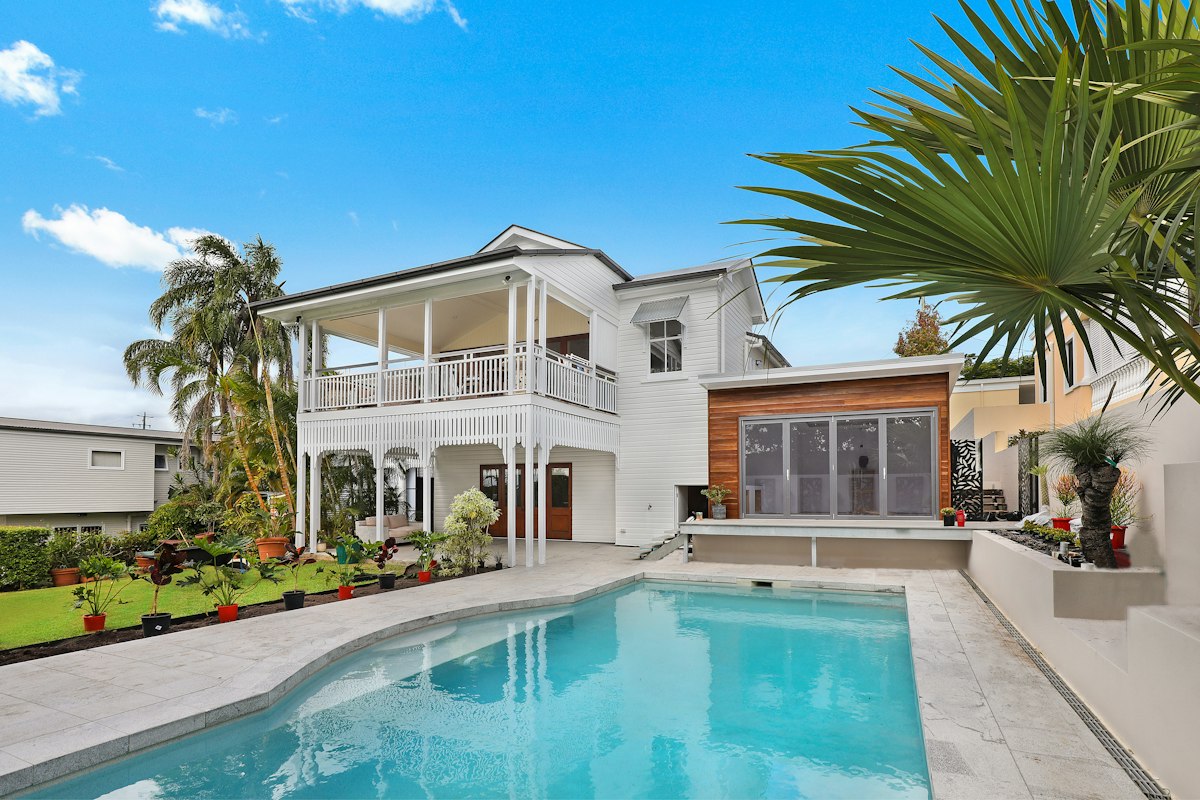
The fortunes in this issue prove a paradox: the people with the most often spend the least conspicuously. But serious money does move — into vessels, aircraft, real estate, and objects engineered to hold their value. Here is where it goes, and what it signals.

Now Playing · Stock Footage

Open Water — The Superyacht Economy

Stock

On the Water

Superyachts

The ultimate floating real estate — and the clearest signal of nine-figure liquidity. Crews, berths, and maintenance run millions a year before you cast off.

Stock

In the Air

Private Aviation

For the truly time-rich, the jet isn't a flex — it's a calendar. The asset purchased is not comfort but reclaimed hours, the one thing money can't manufacture.

Stock

On the Wrist

The Watch That Pays

Certain steel chronographs appreciate faster than the index. The watch is the rare luxury that doubles as a store of value — wearable, portable wealth.

Stock

On the Ground

Trophy Real Estate

The quiet billionaire move: scarce land in scarce places. Less about the house than the address — and the appreciation that comes with permanent scarcity.

The Column

Five Laws of the Millionaire Mind

Distilled from this issue
01

Think in decades, not quarters

Huang waited thirty years for the world to need what he built. The compounding that creates fortunes — of capital, skill, or reputation — only works on a timeline most people abandon too early.

02

Own the asset, not the applause

Oprah's wealth came from owning her show, not hosting it. Whenever you create value, fight to hold equity in the thing you create. Salaries end; ownership compounds.

03

Redefine failure as not trying

Blakely was taught to celebrate failure as evidence of effort. Strip fear of its grip and the willingness to begin — the scarcest resource in any ambition — becomes free.

04

Price every dollar by what it becomes

Buffett never sees a dollar at face value; he sees its future after decades of compounding. Measure spending as foregone growth, and frugality stops being sacrifice.

05

Choose discomfort on purpose

Every profile shares a tolerance for sustained difficulty — two-year manufacturing rejections, potato-sack childhoods, decades of doubt. Wealth tends to find the people who made early peace with hard things.

06

Let your signal be consistency

The leather jacket, the 1958 house, the dinner-table ritual: each fortune rests on a few decisions made once and then never relitigated. Standardize the small things to free your mind for the large ones.

Join the Club

Author Your Own Future

Get The Millionaire Mindset delivered every quarter, plus weekly life-design tools from the Qualped ecosystem. It only takes a minute.