
01 / Story / Press time
The old medium could not answer back.
For thirty years, journalism taught me the force of a public message and the loneliness on the other side of it.
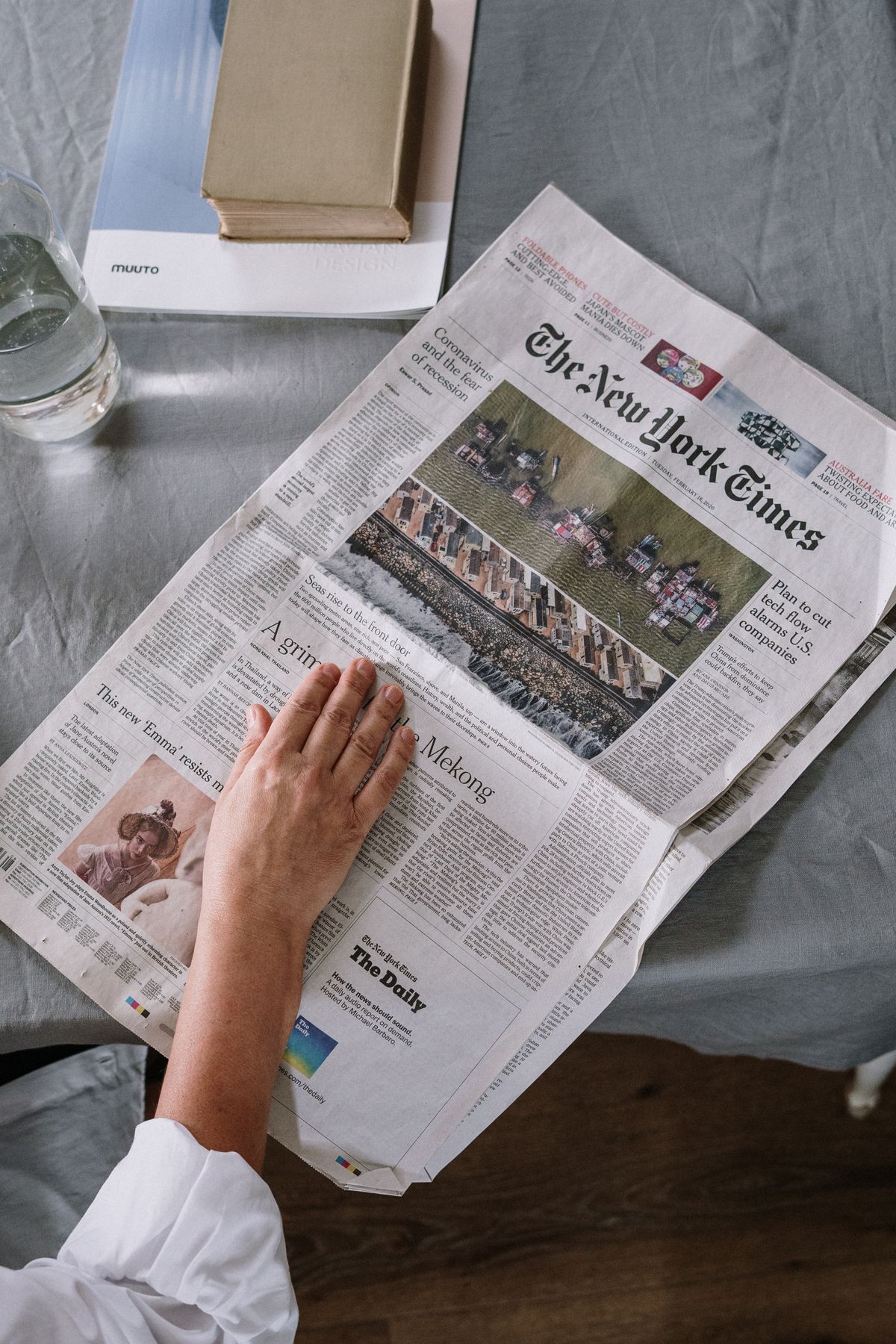
Press time ends a conversation. The page locks. Ink moves. A reader receives the finished argument after the writer has left the room.
Television carried that same logic through light and sound. One preacher could speak to a nation. One crusade could enter millions of homes. The camera enlarged the pulpit, and the transmitter multiplied the voice.
That multiplication changed Christian history. Radio, television, film, publishing, and satellite networks carried the gospel across borders that a single traveller could never cross. I honour that work. I grew inside the media world that broadcast built.
Yet the medium kept one stubborn distance. The person in the living room could listen, weep, pray, turn away, or telephone a number. The signal itself could not pause and ask, “What did you hear?” It could not learn the fear beneath the question. It could not follow the person from curiosity into Scripture, from Scripture into self-examination, and from self-examination into a table of believers.
Broadcast reached the person. Conversation lets the person answer.
Billy Graham understood that gap. The sermon carried reach; counsellors carried response. A hand met a hand after the signal. The broadcast worked best when people completed it.
Now the centre of media has moved. In May 2025, streaming captured 44.8 per cent of American television use, edging past broadcast and cable combined at 44.2 per cent. Nielsen marked the first such crossing. Streaming use had grown 71 per cent since 2021.1
That crossing does not mean screens vanished. It means the old schedule lost command. People now choose the time, source, sequence, device, and depth. The audience fractured into persons.